
Are Hair Transplants Permanent? Understanding Long-Term Results
One of the most common questions asked by individuals considering hair restoration is: How long does a hair transplant last? Understanding the longevity of a hair transplant is essential for setting realistic expectations and making an informed decision.
The good news is that, when performed correctly, a hair transplant can deliver long-lasting and often permanent results. However, several factors influence how long the results truly last.
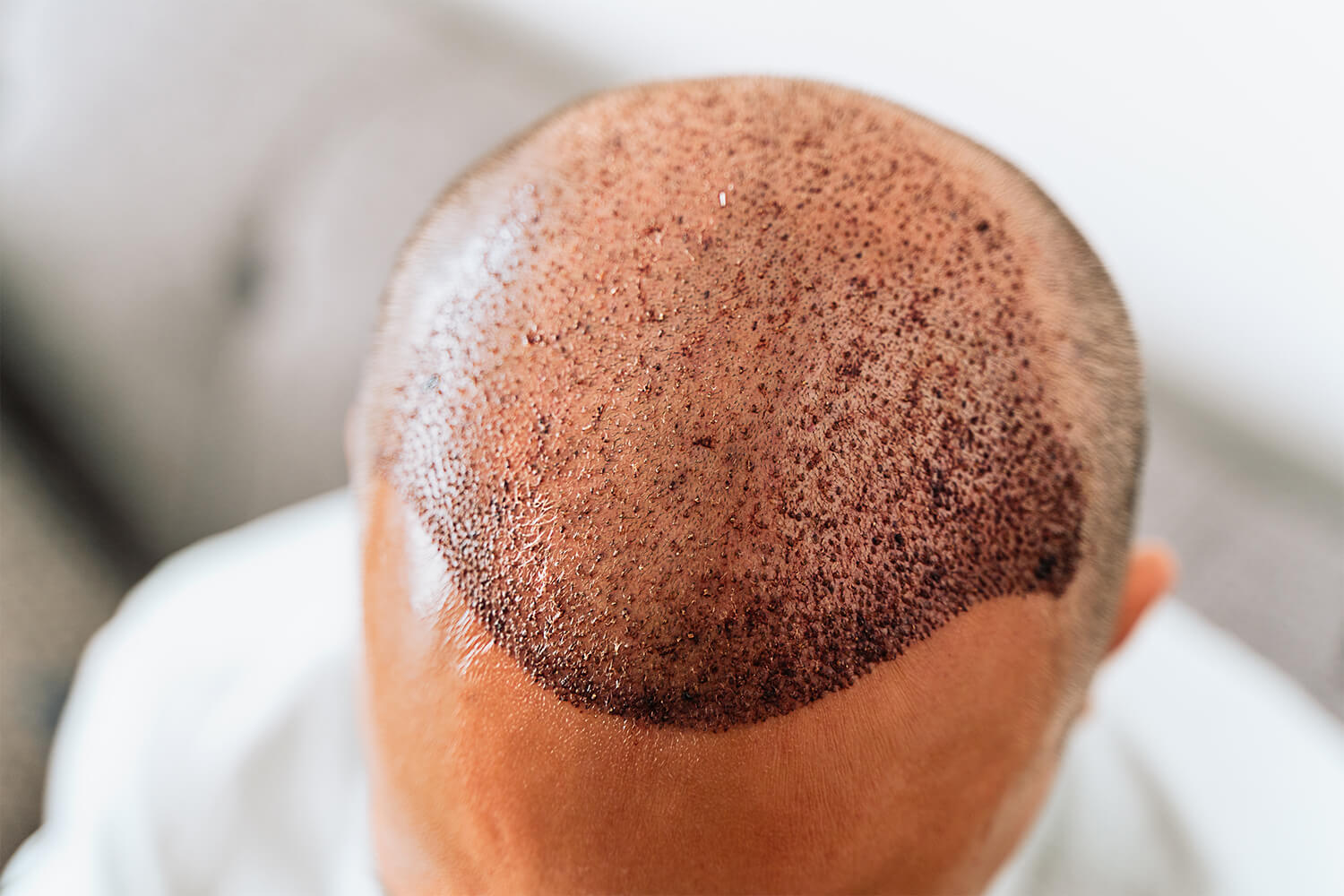
Is a Hair Transplant Permanent?
In most cases, a hair transplant is considered permanent. This is because transplanted hair follicles are typically taken from the donor area at the back or sides of the scalp, where hair is genetically resistant to hair loss.
Once transplanted, these follicles retain their resistance to thinning and continue to grow naturally in their new location for many years, often for a lifetime.
What Happens After a Hair Transplant?
After the procedure, it is normal for the transplanted hair to shed within the first few weeks. This phase, known as shock loss, is temporary and part of the natural hair growth cycle.
New hair growth usually begins around three to four months after the procedure. Noticeable improvement appears within six to nine months, while final results are typically visible after twelve months.
Factors That Affect How Long a Hair Transplant Lasts
Although transplanted hair is long-lasting, the overall appearance of your hair over time can be influenced by several factors.
The skill and experience of the medical team play a major role. Proper graft extraction, accurate placement, and natural hairline design significantly impact long-term success.
The quality of the donor area is another key factor. Strong, healthy donor hair leads to better graft survival and more durable results.
Age, genetics, and ongoing hair loss in non-transplanted areas can also affect the overall look. A hair transplant does not stop natural hair loss in untreated areas, which is why long-term planning is essential.
Does Transplanted Hair Fall Out Over Time?
Transplanted hair follicles are designed to last. However, hair thinning may continue in areas that were not treated during the procedure. This can create the appearance of new hair loss over time, even though the transplanted hair remains intact.
In some cases, patients may choose a second procedure in the future to address additional hair loss and maintain a balanced, natural look.
How to Maintain Long-Lasting Results
Following post-procedure aftercare instructions is critical for long-term success. Proper washing, avoiding physical stress on the scalp, and attending follow-up appointments all contribute to graft survival.
Maintaining a healthy lifestyle, managing stress, and using doctor-recommended hair treatments can also support overall hair health and enhance the longevity of your results.
When Might a Touch-Up Be Needed?
While many patients achieve satisfactory results with a single procedure, others may benefit from a touch-up session years later. This is not due to transplanted hair failure, but rather to progressive hair loss in untreated areas.
A personalized treatment plan helps anticipate future hair loss and ensures long-term satisfaction.
Final Thoughts
A hair transplant is a long-term solution for hair loss, offering natural and durable results when performed by experienced professionals. While transplanted hair follicles are generally permanent, overall hair appearance may change over time due to genetics and aging.
Choosing a reputable clinic and following proper aftercare guidelines are the keys to achieving results that last for years to come.
If you are considering a hair transplant and want expert evaluation, personalized planning, and long-term results, EstheMed provides professional care focused on safety, quality, and lasting outcomes.