
Can Stress Cause Hair Loss?
Hair loss is a common concern that affects millions of people worldwide, and stress is often mentioned as a possible cause. This leads to an important question: Is there a real connection between stress and hair loss?
Scientific evidence shows that stress can indeed play a significant role in certain types of hair loss. Understanding how stress affects the hair growth cycle can help you recognize the signs early and take appropriate action.
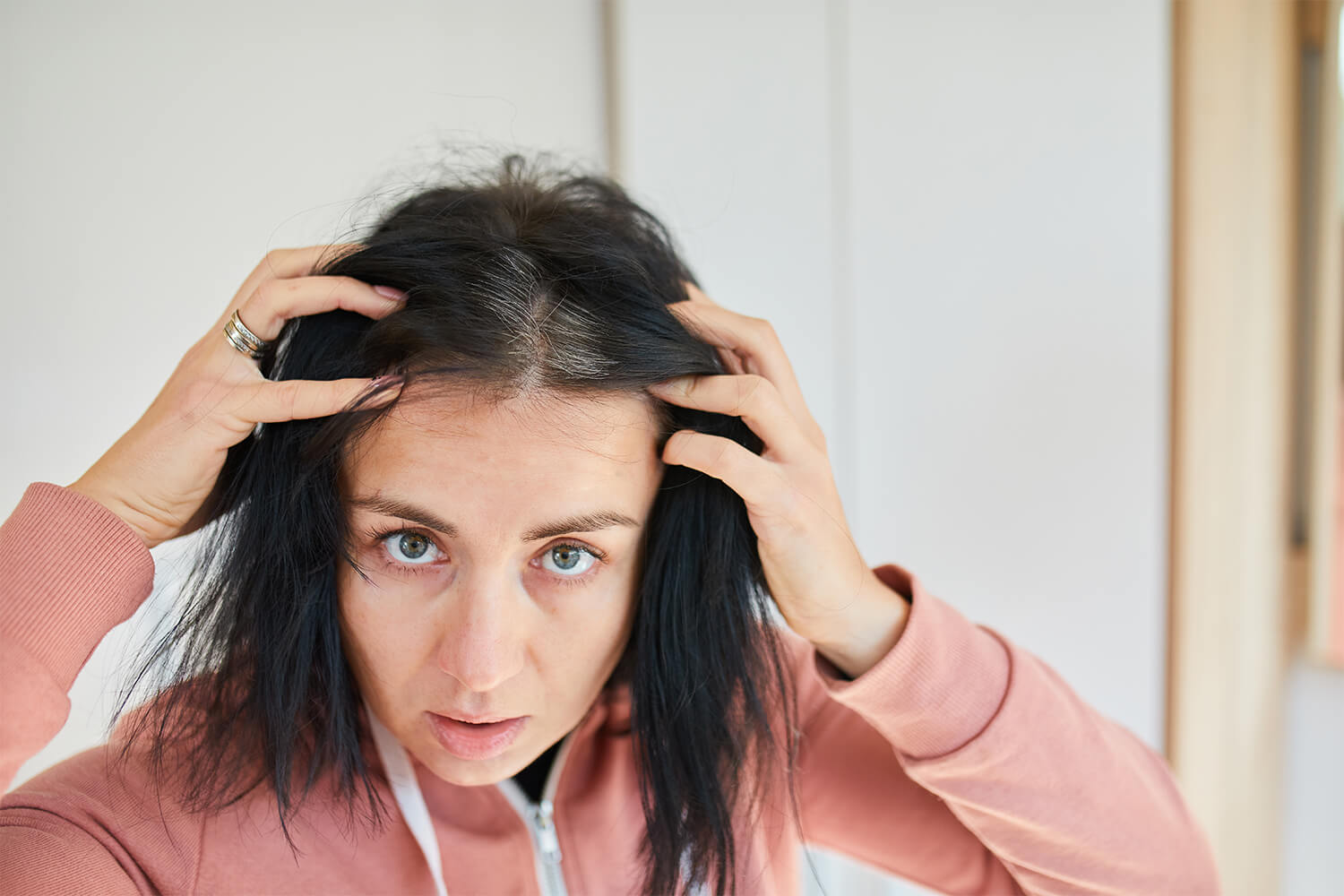
How Stress Affects Hair Growth
Hair grows in a natural cycle that includes growth, rest, and shedding phases. Physical or emotional stress can disrupt this cycle, pushing a higher number of hair follicles into the shedding phase prematurely.
When this happens, noticeable hair thinning or increased hair shedding may occur weeks or even months after a stressful event.
Types of Hair Loss Linked to Stress
Stress-related hair loss usually appears in specific forms rather than permanent baldness.
Telogen effluvium is one of the most common types and occurs when stress causes hair follicles to enter the resting phase too early, leading to excessive shedding.
Another condition is alopecia areata, an autoimmune disorder that may be triggered or worsened by stress. This type often causes patchy hair loss on the scalp or other parts of the body.
Can Stress Cause Permanent Hair Loss?
In most cases, stress-related hair loss is temporary. Once stress levels are reduced and the body recovers, hair growth often resumes naturally over time.
However, prolonged or chronic stress may worsen existing genetic hair loss or contribute to long-term thinning if left unmanaged. Early intervention is important to prevent further progression.
Signs That Stress May Be Affecting Your Hair
Sudden hair shedding, thinning across the scalp, or increased hair loss while washing or brushing can be signs of stress-related hair loss.
If these symptoms appear after a physically or emotionally demanding period, stress may be a contributing factor.
How to Reduce Stress-Related Hair Loss
Managing stress effectively is key to protecting hair health. Lifestyle changes such as improving sleep quality, maintaining a balanced diet, and engaging in regular physical activity can support recovery.
Professional evaluation is also important. A specialist can determine whether hair loss is stress-related or linked to other underlying conditions and recommend appropriate treatment options.
When to Seek Professional Help
If hair loss continues despite reduced stress levels or becomes more severe, consulting a qualified medical professional is essential.
Early diagnosis allows for timely treatment and helps preserve existing hair follicles before permanent damage occurs.
Final Thoughts
Stress and hair loss are closely connected, particularly in certain types of temporary hair shedding. While stress alone does not usually cause permanent hair loss, it can significantly impact hair health and accelerate existing conditions.
Understanding this connection and seeking professional guidance can help you manage hair loss more effectively and protect long-term results.
For individuals experiencing ongoing hair loss concerns, EstheMed offers expert evaluation and personalized treatment planning focused on safe and effective solutions.