
How to Tell If Hair Follicles Are Dead or Dormant
Hair loss often raises an important question: What do dead hair follicles look like, and how can you tell the difference between temporary shedding and permanent hair loss? Understanding the signs of inactive or damaged hair follicles can help you determine whether hair regrowth is possible and which treatment options may be effective.
This article explains how to identify dead hair follicles, common causes, and what can be done if follicle damage has occurred.
What Is a Hair Follicle?
A hair follicle is a small, tube-like structure in the scalp that anchors the hair root and supports hair growth. Each follicle goes through a natural growth cycle consisting of growth, rest, and shedding phases.
When a follicle is healthy, it continues to produce hair. When it becomes inactive or severely damaged, hair growth may slow down or stop entirely.
What Do Dead Hair Follicles Look Like?
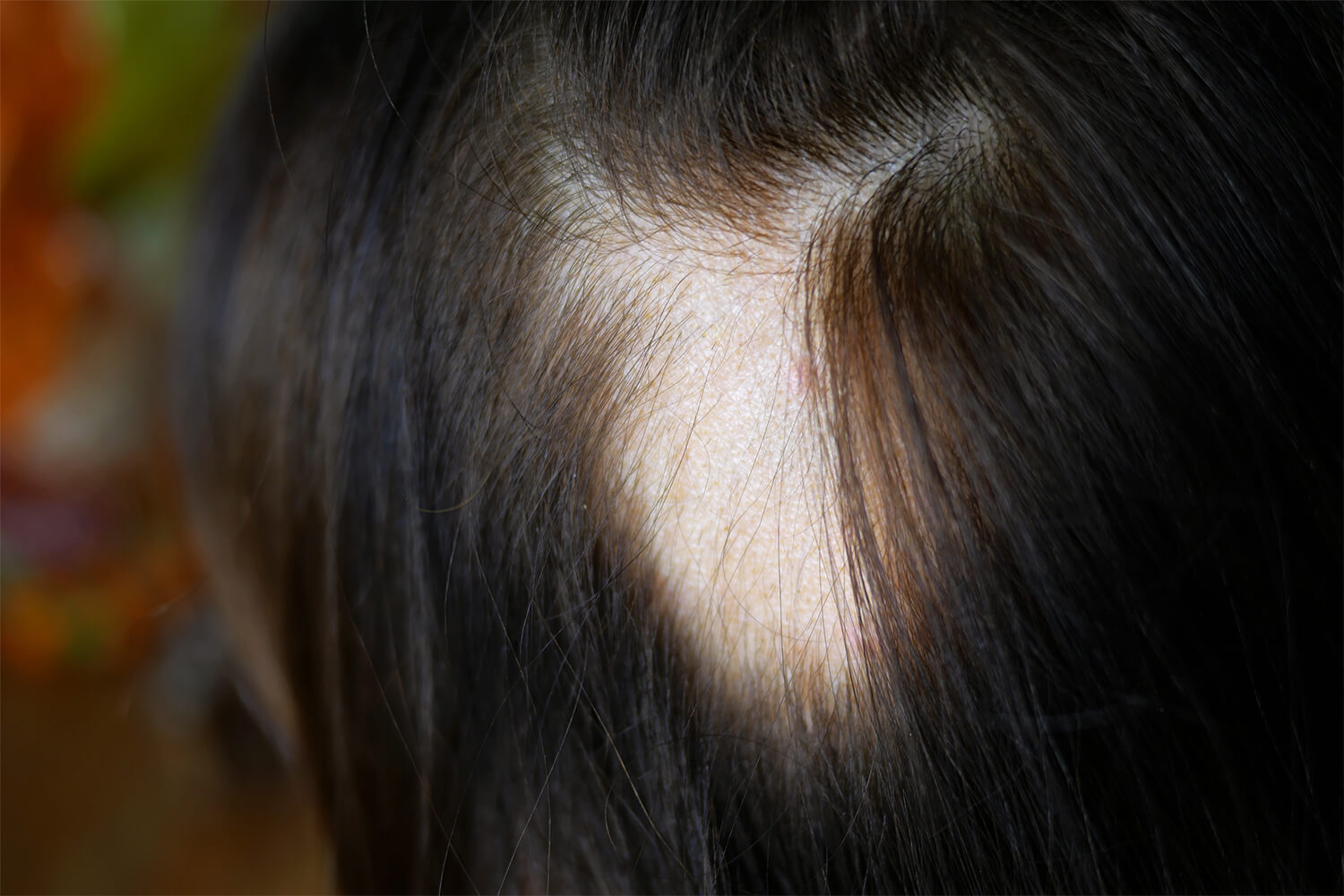
Dead hair follicles are not always visible to the naked eye, but certain signs can indicate permanent follicle damage.
The scalp may appear smooth, shiny, or thinner in areas where hair no longer grows. Unlike active follicles, there may be no visible hair stubble or regrowth over time. In some cases, the scalp may feel firm due to fibrosis or scarring beneath the skin.
These areas often remain unchanged for long periods, even with hair care treatments or topical products.
Dead Hair Follicles vs Dormant Hair Follicles
It is important to distinguish between dead and dormant hair follicles. Dormant follicles are still alive but temporarily inactive. They may produce thinner, weaker hair or no visible hair at all for a period of time.
Dead follicles, on the other hand, have lost their ability to generate hair due to permanent damage. While dormant follicles may respond to treatments, dead follicles typically do not.
Common Causes of Follicle Damage
Several factors can contribute to permanent hair follicle damage. Genetics is one of the most common causes, particularly in pattern hair loss. Chronic inflammation, untreated scalp conditions, and severe trauma can also damage follicles.
Advanced stages of hair loss may lead to miniaturization and eventual follicle death if not addressed early.
Can Dead Hair Follicles Be Revived?
Once a hair follicle is completely dead, it cannot be revived. However, if follicles are dormant or weakened rather than dead, certain treatments may help stimulate regrowth.
Early diagnosis is crucial. Consulting a qualified specialist allows for proper evaluation and the selection of suitable treatment options before permanent damage occurs.
Treatment Options for Permanent Hair Loss
When follicles are no longer active, hair transplant procedures are often the most effective solution. Hair transplantation works by relocating healthy follicles from donor areas to areas affected by permanent hair loss.
This approach provides natural-looking and long-lasting results when performed by experienced professionals.
When to Seek Professional Advice
If you notice persistent hair thinning, smooth bald patches, or areas where hair has not grown back for an extended period, it is advisable to seek professional evaluation.
A medical consultation can determine whether your follicles are dormant or dead and help you choose the most appropriate treatment plan.
Final Thoughts
Understanding what dead hair follicles look like can help you make informed decisions about your hair health. While dead follicles cannot regenerate hair, early intervention may prevent further loss and preserve existing follicles.
For individuals experiencing permanent hair loss, professional evaluation and advanced treatment options offered by clinics like EstheMed can provide effective and long-term solutions.