
What Should I Do Before a Hair Transplant?
A hair transplant is a life-changing procedure that can restore not only your hair but also your confidence. However, achieving successful and natural-looking results depends not only on the procedure itself, but also on how well you prepare beforehand. Knowing what to do before a hair transplant helps reduce risks, improve healing, and maximize the final outcome.
Below is a comprehensive guide on how to prepare properly before your hair transplant procedure.
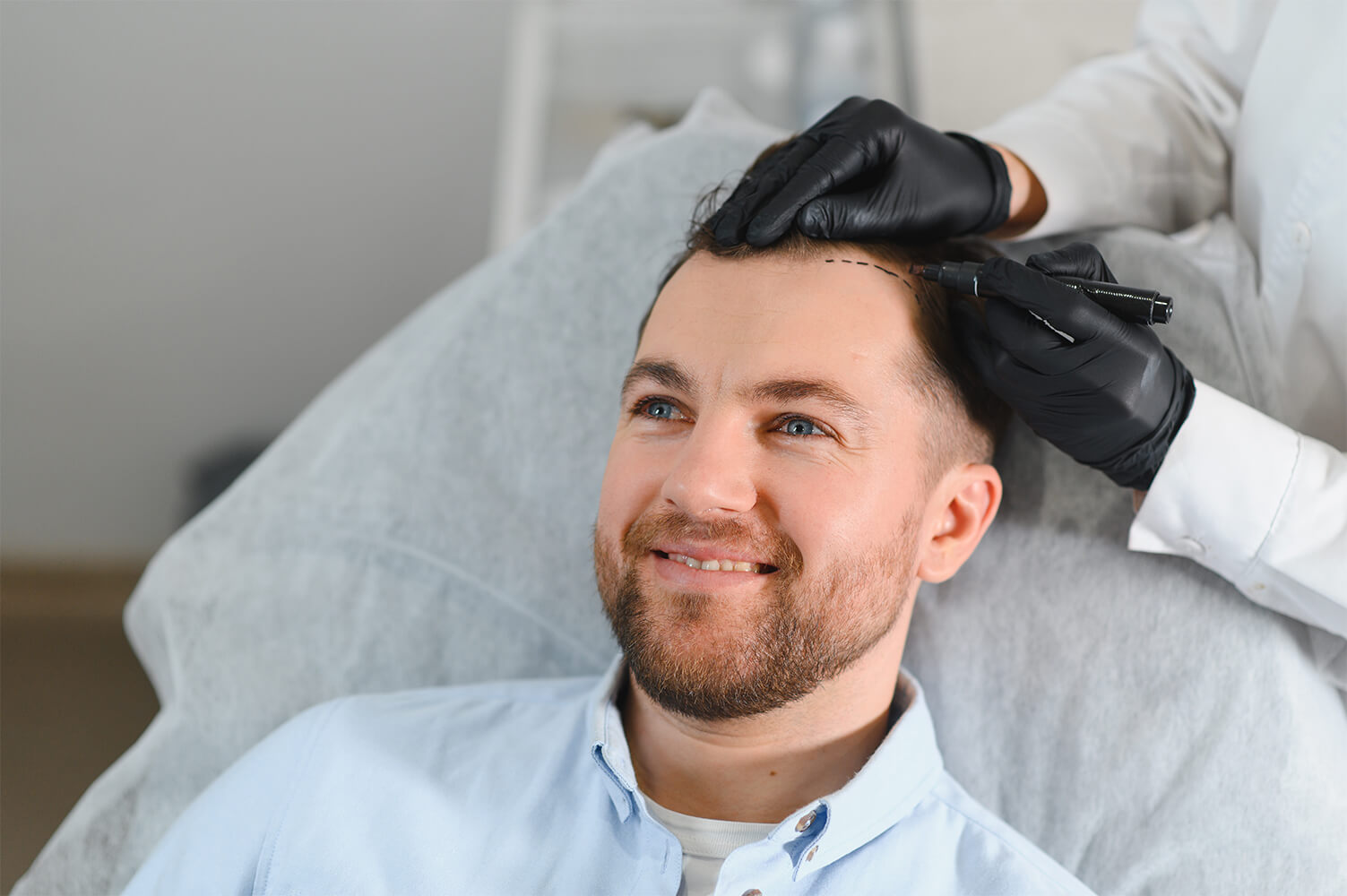
Get a Professional Consultation
The first and most important step before a hair transplant is a detailed consultation with a qualified medical professional. During this evaluation, your hair loss pattern, donor area quality, scalp condition, and overall health are assessed.
The specialist will determine whether you are a suitable candidate and recommend the most appropriate technique, such as FUE or DHI. This consultation is also the right time to discuss your expectations, the number of grafts needed, and realistic results.
Stop Smoking and Alcohol Consumption
Smoking and alcohol negatively affect blood circulation, which is crucial for graft survival and proper healing. It is strongly recommended to stop smoking at least 7–10 days before the procedure.
Alcohol should also be avoided for at least 3–5 days before your hair transplant, as it may increase bleeding and slow down recovery. Eliminating these habits supports healthier graft implantation and faster healing.
Review Your Medications and Supplements
Certain medications and supplements can increase bleeding or interfere with the healing process. Blood thinners, aspirin, anti-inflammatory drugs, and some herbal supplements should be discontinued prior to surgery, only after consulting your doctor.
Always inform your clinic about all medications and supplements you are currently using to ensure a safe and smooth procedure.
Avoid Haircuts and Hair Products
Before your hair transplant, avoid cutting your hair too short unless your clinic advises otherwise. In many cases, slightly longer hair helps conceal donor and recipient areas during the early recovery period.
You should also stop using hair styling products such as gels, sprays, or creams a few days before surgery, as they may irritate the scalp or affect hygiene.
Wash Your Hair Properly
On the day before or the morning of the procedure, wash your hair thoroughly using a mild shampoo recommended by your clinic. Make sure your scalp is clean and free from oil, dandruff, or product residue.
Do not apply conditioner or styling products after washing. A clean scalp reduces the risk of infection and allows the medical team to work more effectively.
Get Enough Rest and Eat a Light Meal
A good night’s sleep before your hair transplant is essential. Being well-rested helps your body handle the procedure better and reduces stress.
On the day of the operation, eat a light but nutritious meal unless your doctor advises otherwise. Avoid caffeine, as it may increase blood pressure and anxiety levels.
Choose Comfortable Clothing
Wear loose and comfortable clothing on the day of your hair transplant. Button-up or zip-up tops are ideal because they prevent contact with the scalp when changing clothes after the procedure.
Avoid tight collars, hats, or anything that may rub against the treated areas.
Prepare Mentally and Set Realistic Expectations
Mental preparation is just as important as physical preparation. Hair growth after a transplant takes time. Initial shedding is normal, and visible results typically begin after several months.
Understanding the recovery process and having realistic expectations will help you feel more confident and satisfied with your results.
Final Thoughts
Proper preparation before a hair transplant plays a key role in achieving optimal and natural-looking results. By following medical advice, making simple lifestyle adjustments, and choosing an experienced clinic, you lay the foundation for a successful outcome.
If you are considering a hair transplant and want professional guidance, personalized treatment planning, and expert care, EstheMed is here to support you at every step of your journey.